PHYSICAL PERFORMANCE
How to Wake Up Early for the Gym (and Actually Go)
Struggling to get up for a 5am workout? Here's how to make early gym sessions stick, from bedtime and alarms to caffeine timing.

The Zest Team
· 3 min read
To wake up early for the gym, move your bedtime earlier first, make getting up the easiest option (clothes out, alarm across the room), keep the same wake time every day, and have energy ready the moment you open your eyes. Early workouts get easier after the first couple of weeks, once your body clock adjusts.
Here's how to make a 5am session something you actually do.
1. Start with bedtime, not the alarm
You can't just set an alarm two hours earlier and expect it to stick. Most adults need seven or more hours of sleep, so a 5am wake-up means being asleep by around 10pm. Work backwards from your gym time and shift your bedtime earlier by 15 to 30 minutes every few days until you get there.
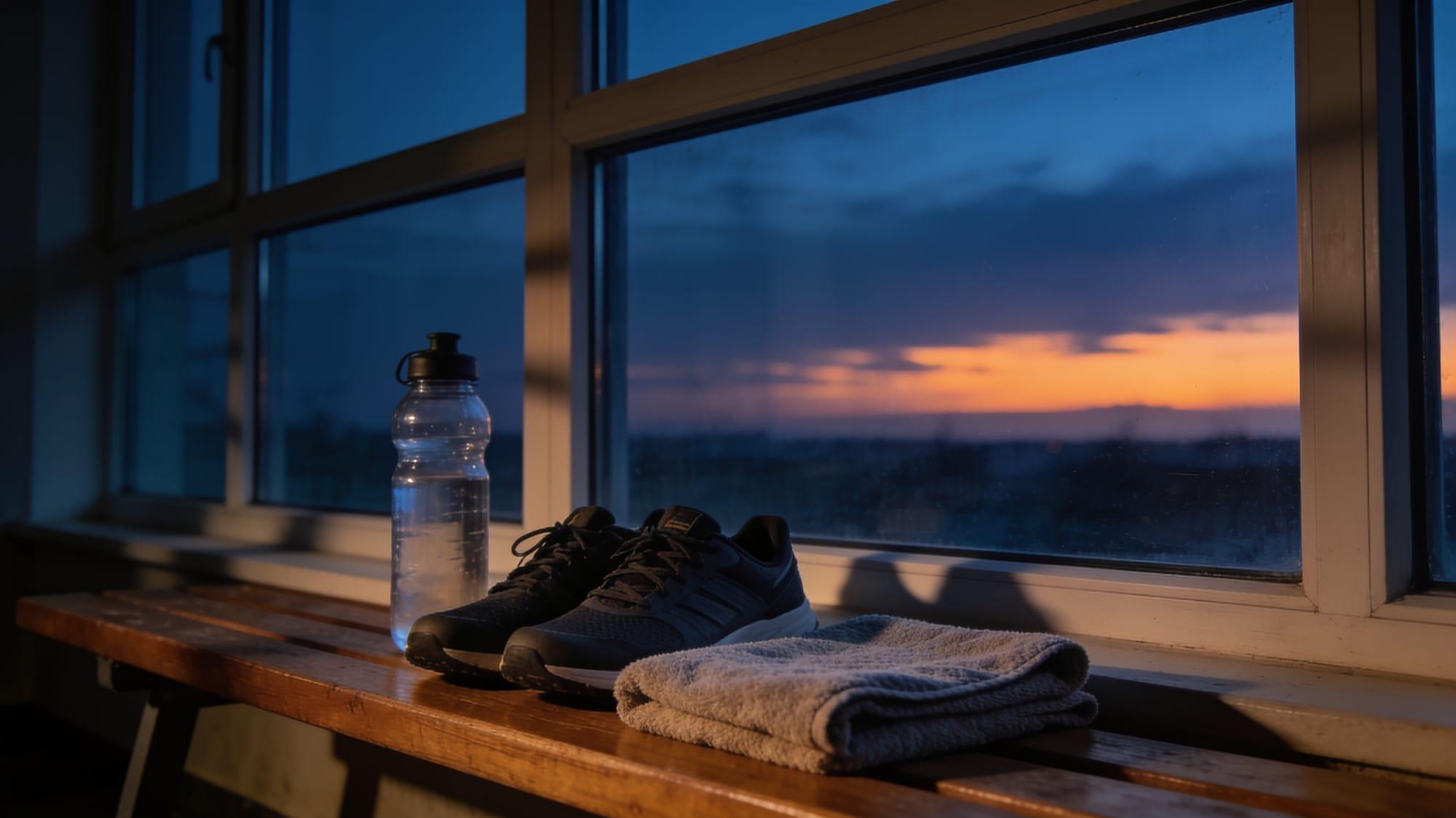
2. Make the night before do the work
The fewer decisions you face at 5am, the better. Before bed:
- Lay out your gym clothes, shoes and bag.
- Fill your water bottle.
- Decide exactly what you're training tomorrow.
- Charge your headphones.
When everything is ready, getting up is the only step left.
3. Put the alarm across the room
If your alarm is within arm's reach, snoozing is too easy. Put it somewhere you have to stand up to switch off. Once you're on your feet, you're halfway out of the door. (Here's why hitting snooze makes mornings worse.)
4. Get light and water straight away
Turn the lights on as soon as you're up and drink a big glass of water. Bright light helps signal to your body that it's morning, and you're likely a little dehydrated after a night without drinking.
5. Keep your wake time consistent
Training at 5am three days a week and sleeping until 8am the rest makes every early morning feel like jet lag. Keeping your wake time roughly the same every day, even on rest days, is what makes early workouts feel normal. (Why consistency matters more than how long you sleep.)
6. Sort out your caffeine timing
Caffeine is one of the best-studied performance aids in sport. The International Society of Sports Nutrition's position stand concludes that caffeine consistently supports exercise performance, typically taken about an hour before training (Guest et al., 2021).
That's a problem at 5am: an hour before your workout is 4am, and you're asleep. Most early lifters end up drinking coffee in the car or in the gym, which means it lands halfway through the session. (More in should you take caffeine before a morning workout?)
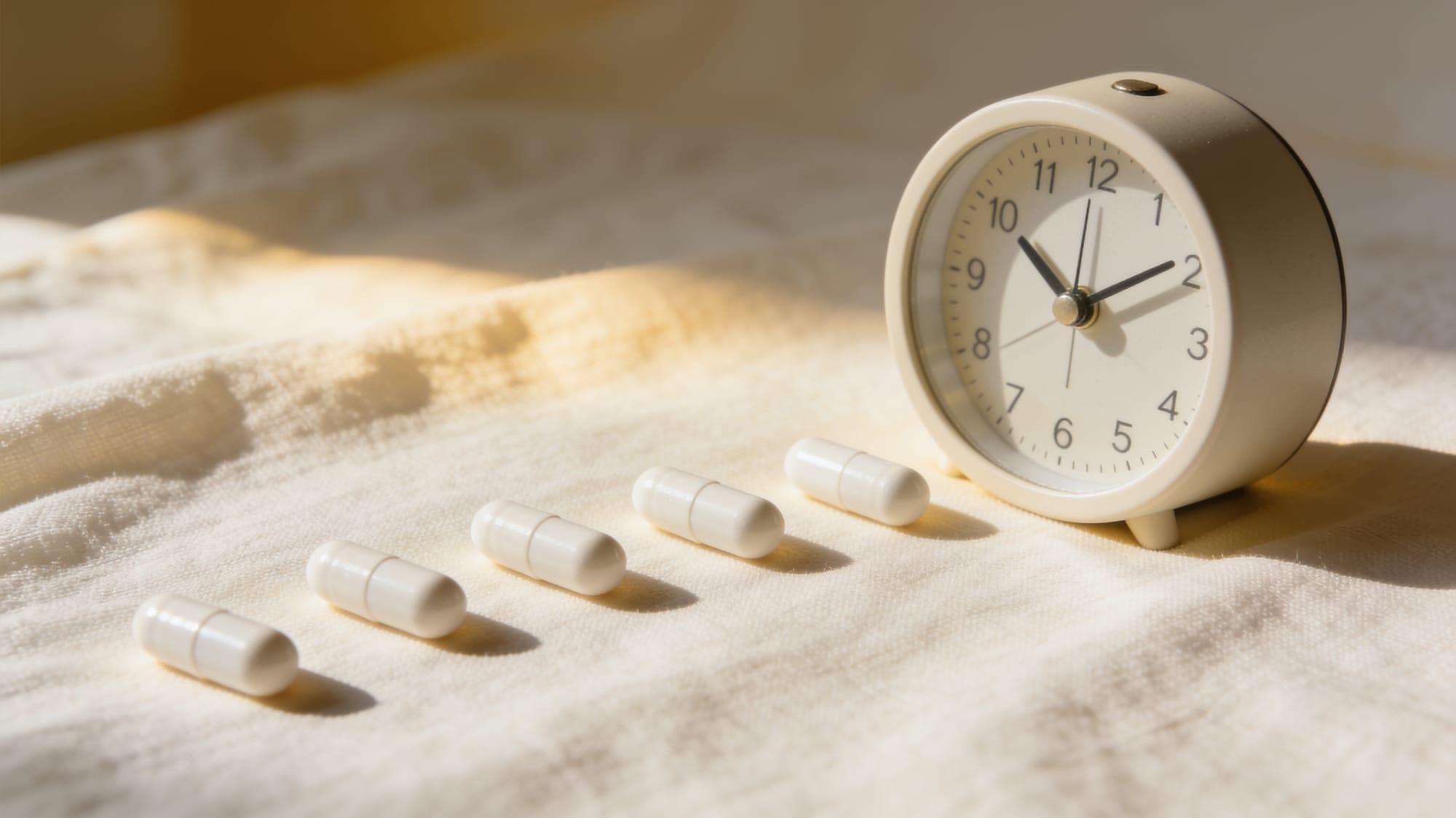
A delayed-release caffeine pill solves the timing problem. You take it the night before, and it's designed to have caffeine working when you wake, so you're alert on the drive and ready when you walk in. Zest's Wake-Up Pill pairs 80 mg of caffeine with 80 mg of L-theanine for focused alertness without a jittery start. Count it toward your daily caffeine, and check with your doctor first if you're sensitive to caffeine, pregnant or nursing, take medication, or have a heart condition.
7. Give it two weeks
The first few early mornings are the hardest. Your body clock takes time to shift, and most people find that by the second or third week, waking up early feels much more natural. Don't judge the habit by day three.
Frequently asked questions
How do I wake up at 5am for the gym?
Go to bed earlier, prepare everything the night before, put your alarm across the room, and keep the same wake time every day.
Go to bed earlier, prepare everything the night before, put your alarm across the room, and keep the same wake time every day.
Should I work out first thing in the morning without eating?
Many people train fine without eating, especially for shorter sessions. If you feel weak or dizzy, try something small and easy to digest first.
Many people train fine without eating, especially for shorter sessions. If you feel weak or dizzy, try something small and easy to digest first.
Is it bad to work out on less sleep?
Occasionally, it's fine. Regularly cutting sleep to train early can hurt recovery, so protect your bedtime. (Sleep and muscle recovery.)
Occasionally, it's fine. Regularly cutting sleep to train early can hurt recovery, so protect your bedtime. (Sleep and muscle recovery.)
What's the best pre-workout for a 5am session if I don't want coffee?
If you want caffeine without brewing coffee, a delayed-release caffeine pill taken the night before means it's already working when you wake up.
If you want caffeine without brewing coffee, a delayed-release caffeine pill taken the night before means it's already working when you wake up.
These statements have not been evaluated by the Food and Drug Administration. This product is not intended to diagnose, treat, cure, or prevent any disease.
PHYSICAL PERFORMANCE
PROTOCOL GUIDES